Top 5 plumbing regulations every homeowner in Texas should know
Learn about crucial plumbing regulations that every homeowner in Texas must adhere to for safety and compliance.
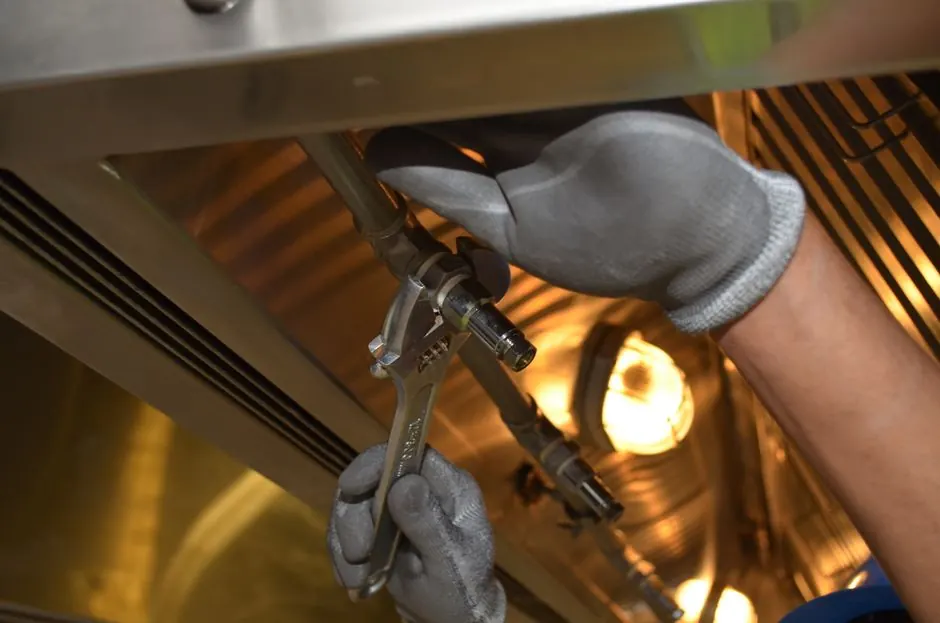
Understanding plumbing regulations is vital for homeowners in Texas. These regulations ensure safety, compliance, and proper functionality of plumbing systems. This article covers the top five plumbing regulations every homeowner should know.
What are plumbing regulations?
Plumbing regulations are laws and standards that govern the installation, maintenance, and repair of plumbing systems. They are designed to protect public health and ensure the safety of drinking water.
1. Licensing Requirements
In Texas, all plumbing work must be performed by a licensed plumber. The Texas State Board of Plumbing Examiners oversees the licensing process. To obtain a license, plumbers must pass a rigorous exam and demonstrate their knowledge of plumbing codes and regulations.
Homeowners should always verify the credentials of any plumber they hire. This not only ensures that the work will be done correctly but also protects you from potential legal issues that can arise from unlicensed work. For instance, hiring a licensed Texas residential plumber ensures compliance with local laws.
2. Building Codes
Building codes dictate the standards for construction and renovation projects, including plumbing. These codes vary by municipality, but they generally cover aspects like pipe sizing, drainage systems, and fixture installations. Failure to adhere to these codes can result in fines and the need for costly repairs.
For instance, older homes in areas like Frisco may not meet current codes, requiring updates to plumbing systems during renovations. Homeowners should consult with a professional to ensure that any plumbing work meets local building codes.
3. Water Quality Standards
Texas has specific water quality standards that must be met to ensure safe drinking water. These standards regulate contaminants and require regular testing of water systems. Homeowners are responsible for maintaining the quality of their private water supply, including wells.
In 2026, the Texas Commission on Environmental Quality (TCEQ) implemented stricter regulations on lead and copper levels in drinking water. Homeowners should be aware of these standards and consider regular testing, especially if they live in older homes with outdated plumbing.
4. Wastewater Disposal Regulations
Proper disposal of wastewater is crucial for public health and environmental safety. In Texas, regulations require that all wastewater systems, including septic tanks, be designed and installed according to state guidelines. Homeowners must ensure their systems are regularly maintained and inspected.
For example, improper disposal can lead to contamination of local water sources, which is a significant concern in regions like Pearland. Homeowners should familiarize themselves with local regulations regarding wastewater disposal to avoid penalties.
5. Plumbing Permits
Before starting any significant plumbing work, homeowners must obtain the necessary permits from their local government. These permits ensure that the work complies with local codes and regulations. Not obtaining a permit can lead to fines and complications when selling a home.
In Texas, most municipalities require permits for installations like water heaters and major plumbing renovations. Homeowners should consult their local building department to understand the specific permit requirements in their area.
Common Mistakes
- Not verifying a plumber's license and insurance.
- Ignoring local building codes and regulations.
- Failing to obtain necessary permits before starting work.
- Neglecting regular maintenance of plumbing systems.
When to Call a Professional
If you're unsure about any plumbing regulations or need assistance with compliance, it's wise to call a professional. FlowFix Plumbing Texas offers expert guidance and services to help homeowners navigate these regulations effectively.
Frequently Asked Questions
- What are the consequences of hiring an unlicensed plumber? Hiring an unlicensed plumber can result in fines, poor workmanship, and potential legal issues.
- How often should I test my water quality? It's recommended to test your water quality at least once a year, especially if you have a private well.
- What plumbing work requires a permit in Texas? Major installations, such as water heaters and significant renovations, typically require a permit.
- How can I find out my local plumbing codes? You can contact your local building department or check their website for specific plumbing codes.
- What should I do if my plumbing system is outdated? Consult a licensed plumber to assess your system and recommend necessary upgrades to meet current codes.
Get Help with Plumbing in Texas
For expert assistance with plumbing regulations and services, contact FlowFix Plumbing Texas. Our experienced team can help ensure your plumbing systems meet all local requirements. Reach us at 18555132213.